Our Services
Wildlife Translocation & Release
From wildlife rescue and relocation to species recovery initiatives, our team delivers practical, science-based solutions that contribute to positive conservation outcomes
F Works plans and delivers wildlife translocation and release programs under the appropriate permits, with animal welfare guiding every decision.
From individual animal relocations to large-scale threatened species translocation programs, we implement practical, evidence-based release strategies tailored to each species and project. Our team is experienced in soft-release and hard-release methodologies, post-release monitoring, and habitat assessment, ensuring translocated animals have the greatest opportunity to successfully establish and thrive in their new environment.
What we do
- Translocation and species recovery programs
- Ethical capture, handling and transport of native fauna
- Pre-release health and condition assessment
- Hard and soft release strategies
- Post-release monitoring and survival tracking
- Nest, egg, roost and dependent young relocation
- Release site habitat preparation and assessment
- Aggressive bird management and relocation
Our Products
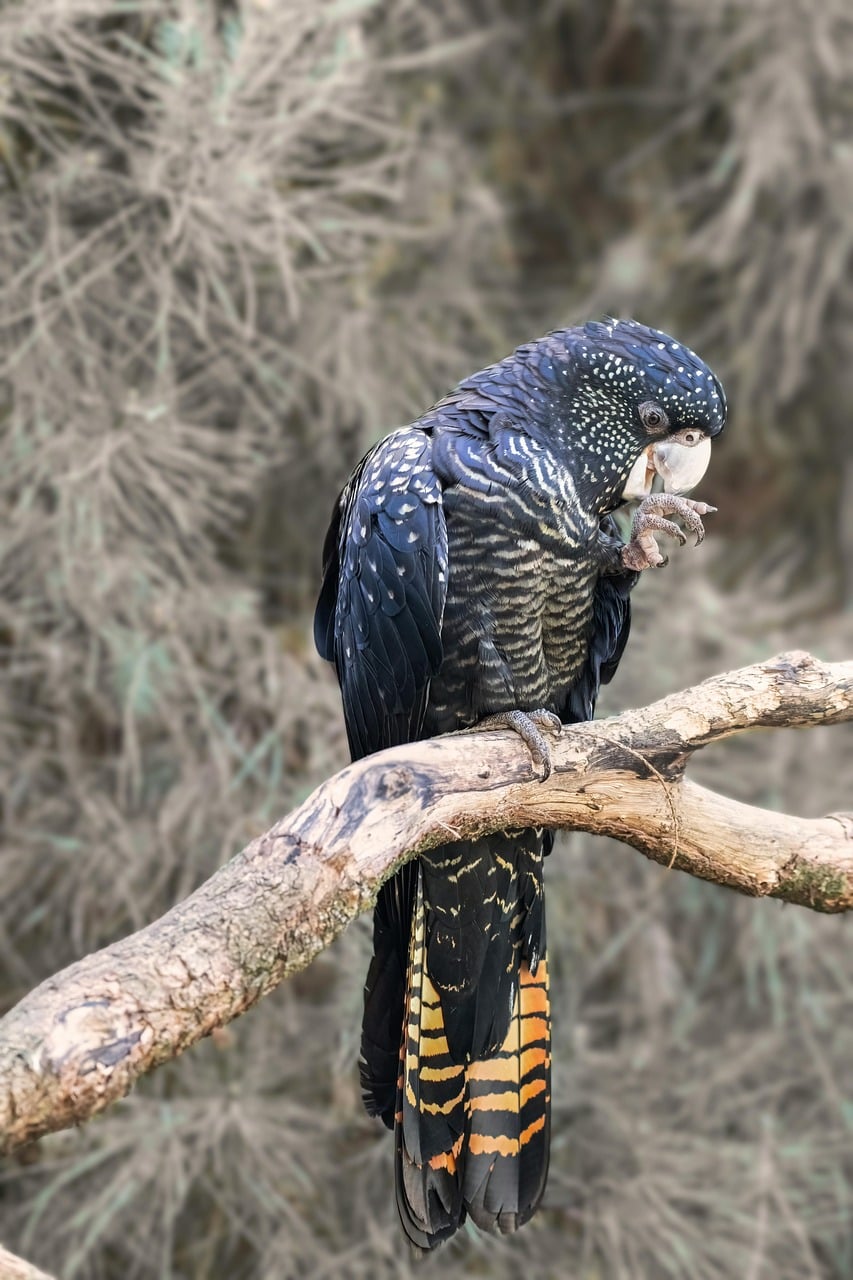
Translocation and species recovery programs
Fauna Works plans and delivers wildlife translocation and release programs under the appropriate permits, with animal welfare guiding every decision.

Ethical capture, handling and transport of native fauna
Fauna Works provides ethical capture, handling, and transport of native fauna using best-practice methods designed to minimise stress and maximise animal welfare. We deliver safe and effective relocation outcomes for both common and threatened species
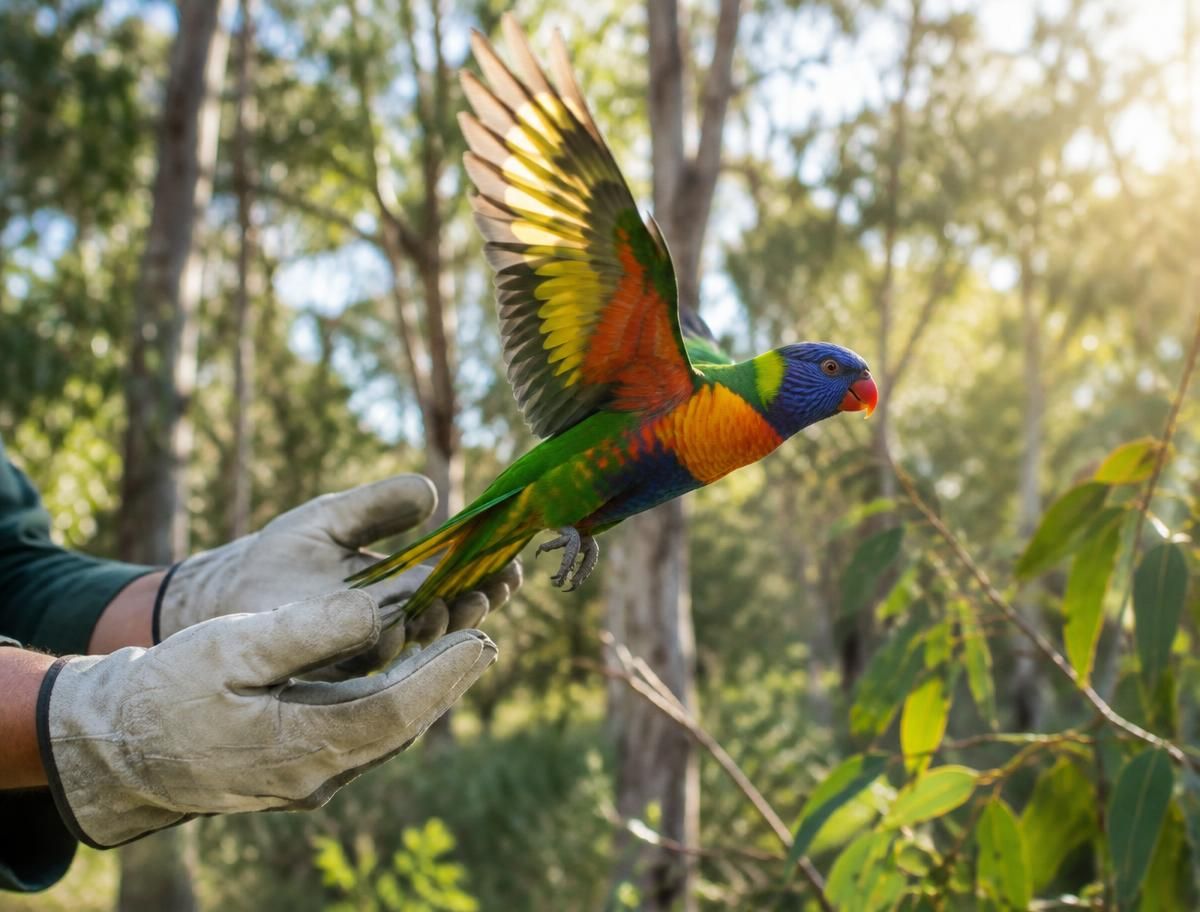
Pre-release health and condition assessment
Fauna Works plans and delivers wildlife translocation and release programs under the appropriate permits, with animal welfare guiding every decision.
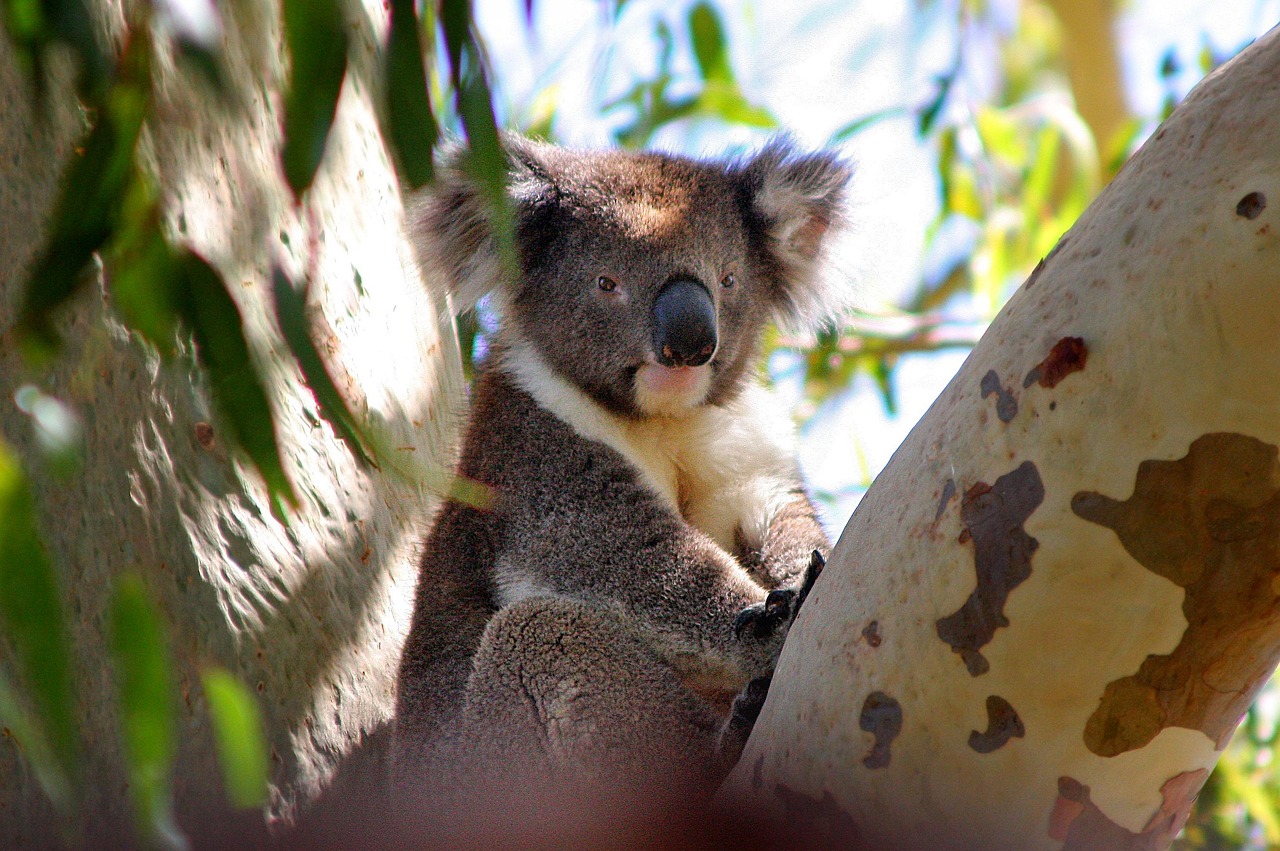
Hard and soft release strategies
Fauna Works implements tailored hard and soft release strategies that support animal welfare, maximise survival rates, and improve the long-term success of native and threatened species translocations.